How the Nepal Premier League became Nepal's biggest sporting event
Two seasons ago the NPL was an experiment. As Season 3 begins on 26 October, it fills Kirtipur, pulls millions online and has brought David Warner, Shakib Al Hasan and Moeen Ali to Nepal.
When the first Nepal Premier League ball was bowled at Kirtipur in November 2024, nobody was sure how a franchise league would land in a country where cricket had mostly meant the national team. Two seasons later the question has been answered. As Season 3 gets under way on 26 October, the NPL is the biggest date on Nepal's sporting calendar.
A ground that could not hold everyone
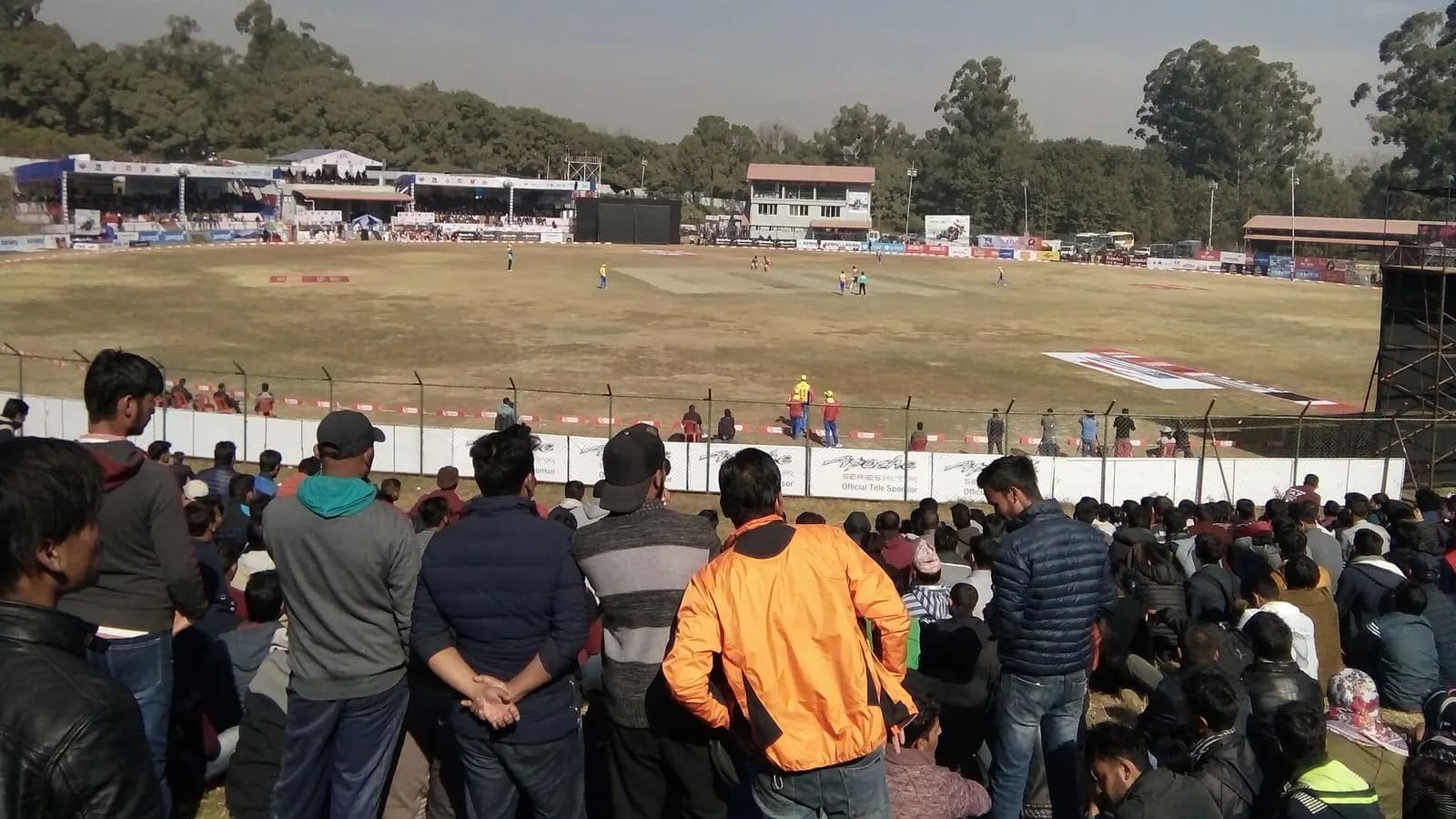
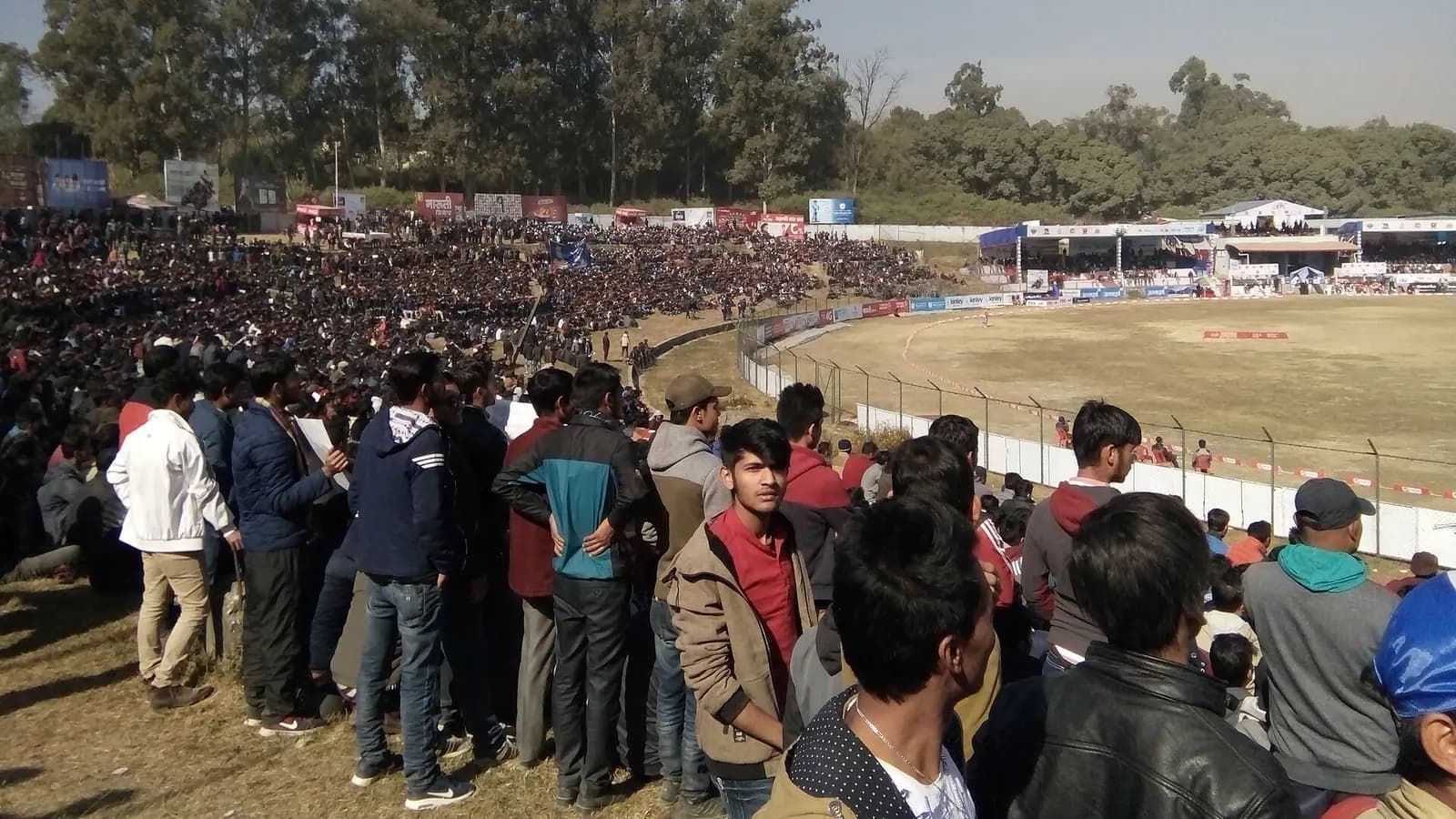
The clearest sign came from the crowds. The Tribhuvan University ground in Kirtipur holds roughly 12,000 people, and in 2024 tickets for the opening match sold out three days before the game, according to the Cricket Association of Nepal (CAN). Across the 32 matches of the first season, CAN spokesperson Chumbi Lama put total attendance at about 135,000. On one evening the league had to announce that no more fans could be let in because the ground was already full.
Most of those spectators sat on grass banks rather than in stands. That has done nothing to cool demand for tickets.
Millions watching at home
The audience at home has been even larger. The 2024 final between Janakpur Bolts and Sudurpaschim Royals was watched by about four million people on YouTube, according to The Kathmandu Post, while another estimate puts the figure at 3.7 million. The first season was also the first Nepali cricket tournament to be shown on Star Sports.
For Season 3, broadcasters have paid far more for the right to show it. CAN sold the worldwide streaming rights to NetTV for Rs 180.4 million and Nepal's television rights to Himalaya Television for about Rs 146.4 million, with eSewa handling ticketing. In total the media and ticketing rights are worth about Rs 335.4 million, The Rising Nepal reports, against roughly Rs 91 million for the previous edition.
Money flowing beyond the boundary
The league has become a business in its own right. The eight franchises were sold for a combined Rs 168.9 million before the first season, and Siddhartha Bank signed a five-year title sponsorship that was described as the largest in Nepali sport. CAN estimated the economic impact of the first season at around Rs 800 million, counting hotels, transport, catering and the hundreds of temporary jobs created around the matches. These are the association's own estimates and have not been independently audited, but few events in the country come close.
Bigger names than ever
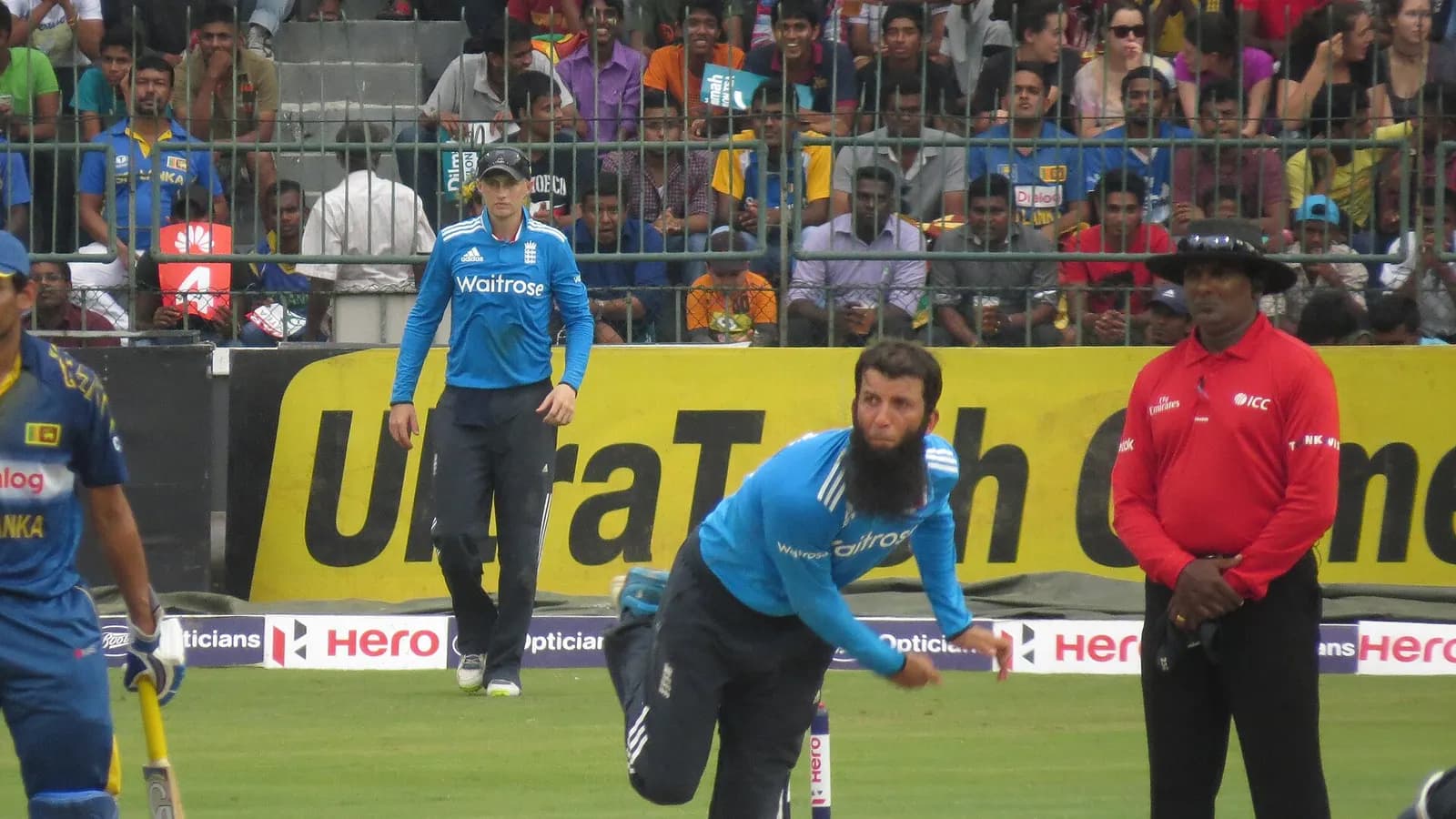
The overseas signings tell the same story. Season 1 brought Shikhar Dhawan, Martin Guptill and Jimmy Neesham; Season 2 had Faf du Plessis and Chris Lynn. Season 3 goes further. Kathmandu Gorkhas have signed David Warner, Pokhara Avengers have Shakib Al Hasan, and Janakpur Bolts have added former England all-rounder Moeen Ali to Neesham and Pakistan's Iftikhar Ahmed.
For young Nepali players, sharing a dressing room with them is the real prize. The first season produced 16-year-old Karnali Yaks spinner Bipin Sharma, who took 13 wickets and was named emerging player of the tournament.
Growing pains
Not everything has kept pace. Officials have said openly that infrastructure is the league's biggest weakness, and CAN has asked for improvements such as floodlights at the TU ground, and questions about how revenue is shared have followed the league since its first edition. CAN is also testing decision review technology, which could be used for the first time this season if it proves reliable.
Season 3
This year's tournament runs from 26 October to 21 November, with 28 league matches and four playoffs, all at Kirtipur. It opens with a rematch of last year's final, Lumbini Lions against Sudurpaschim Royals. Three seasons in, the NPL has given Nepali cricket something it never had before: a home season of its own, followed by the whole country.