ICC sanctions the Nepal Premier League: what it means for Season 3
Ten days before the season starts, the ICC has officially sanctioned the NPL. Franchises are freed from the four-Test-player limit, and player performances are set to count officially for the first time.
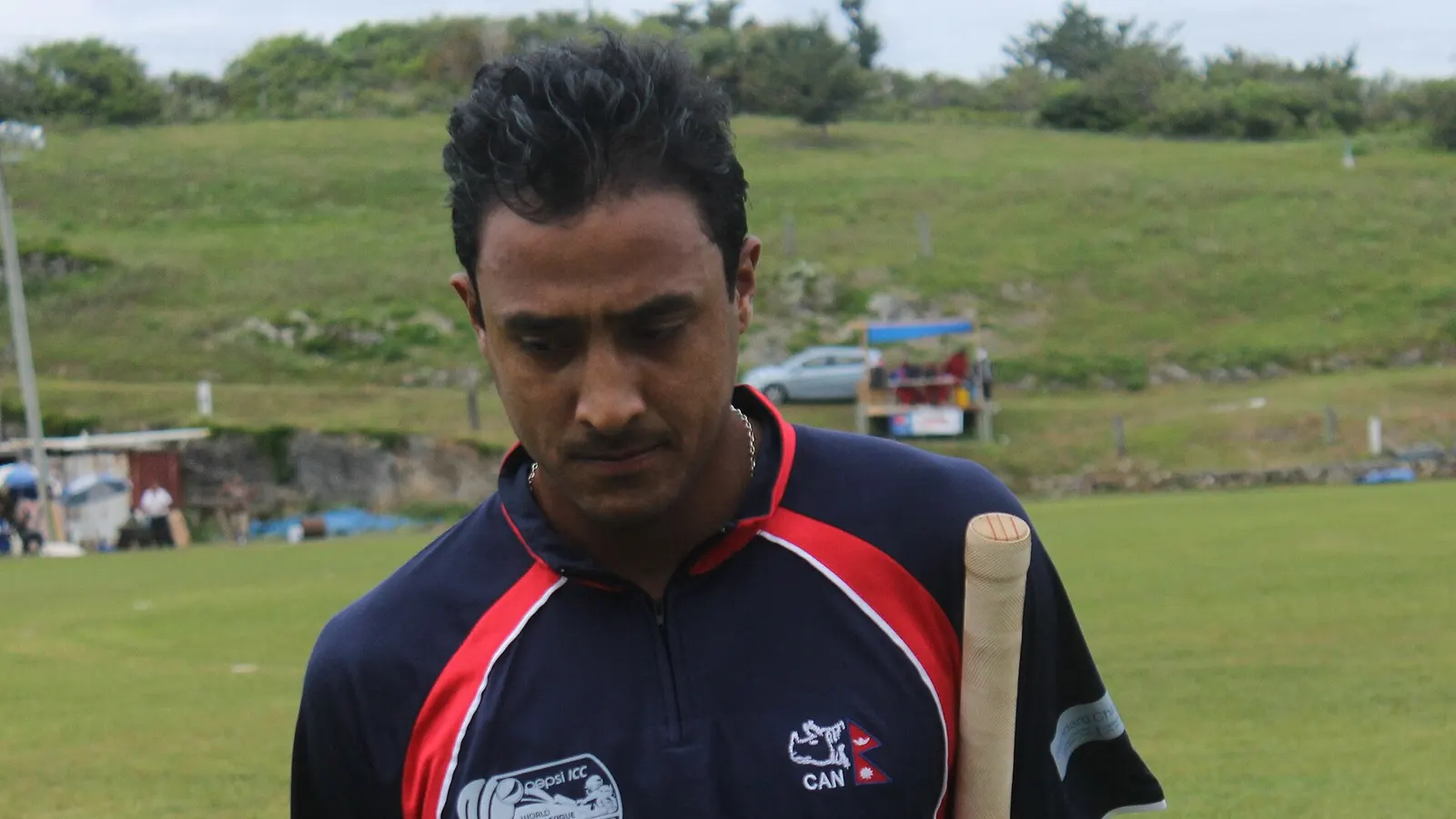
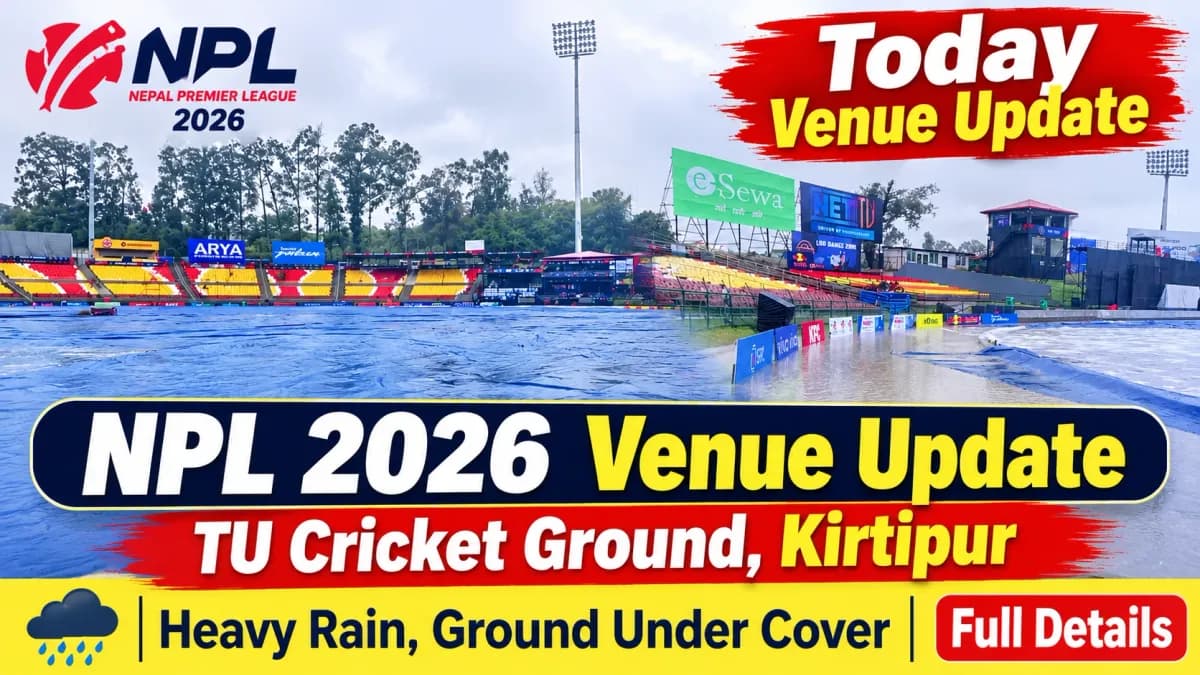
The Nepal Premier League has received official sanction from the International Cricket Council, ten days before the third season begins on 26 October. The Cricket Association of Nepal (CAN) confirmed the news in a press release on Friday 16 October, thanking the ICC for its continued support and saying the decision would help the development and international profile of domestic cricket in Nepal.
The news came only hours after CAN secretary Paras Khadka told reporters at the NPL Media Day that he had been checking his email for confirmation from the ICC. Afterwards he posted on social media: "We are ready to welcome the cricketing world to the Festival of Himalayas."
The four-Test-player limit is gone
The biggest practical change is for the franchises. Until now, the ICC allowed each NPL team to sign no more than four players from Test-playing nations in a season, a rule that stopped Janakpur Bolts from re-signing Jimmy Neesham last year. With the sanction, that limit no longer applies, Onlinekhabar reported, giving franchises far more freedom to recruit international players, including active Test cricketers.
Several franchises had been in talks with overseas players but were waiting for the decision before announcing them. CAN secretary Khadka said in September that teams would "gradually announce all their players" once sanction arrived, so expect more names in the coming days.
Records will count
For players, sanction means their NPL performances can finally count. Runs and wickets from the first two seasons were never added to official career records. Reports differ on the exact classification: The Rising Nepal reported that the league had been granted List A status, while Onlinekhabar described it as official T20 recognition. On Saturday Khadka said a formal decision on official T20 recognition was expected by Monday, so the precise status should be confirmed within days.
Stricter rules come with it
Sanction also means ICC rules apply in full. Speaking on Saturday, Khadka said the league would strictly follow ICC regulations. Every overseas player now needs a no-objection certificate (NOC) from his home board, including retired players. Anyone who has played in unapproved cricket in the six months before the league is not eligible. Anti-corruption monitoring will follow the ICC Anti-Corruption Unit's protocols, and players or officials who break the code of conduct will face action under ICC rules.
DRS and a regional spotlight
CAN also plans to introduce the Decision Review System (DRS) this season for the first time, with a formal announcement expected shortly. "Once we receive sanctioning from the ICC, implementing the DRS in the NPL will be much smoother," Khadka said.
The league will also have a high-profile audience at the end. Nepal will host the ICC Asia Conference in Kathmandu from 19 to 21 November, the first time the country has hosted it. Delegates from Asia's Test-playing and Associate nations are due to watch the Eliminator and the final.
How the teams reacted
The franchises welcomed the decision. Sudurpaschim Royals called it a "historic milestone", Lumbini Lions "a new chapter", and Kathmandu Gorkhas described it as "the perfect Dashain gift".
After two seasons of growing crowds and bigger signings, sanction gives the NPL something it has lacked: official standing in world cricket. The first ball of the new era is bowled on 26 October, when Lumbini Lions play Sudurpaschim Royals at Kirtipur.